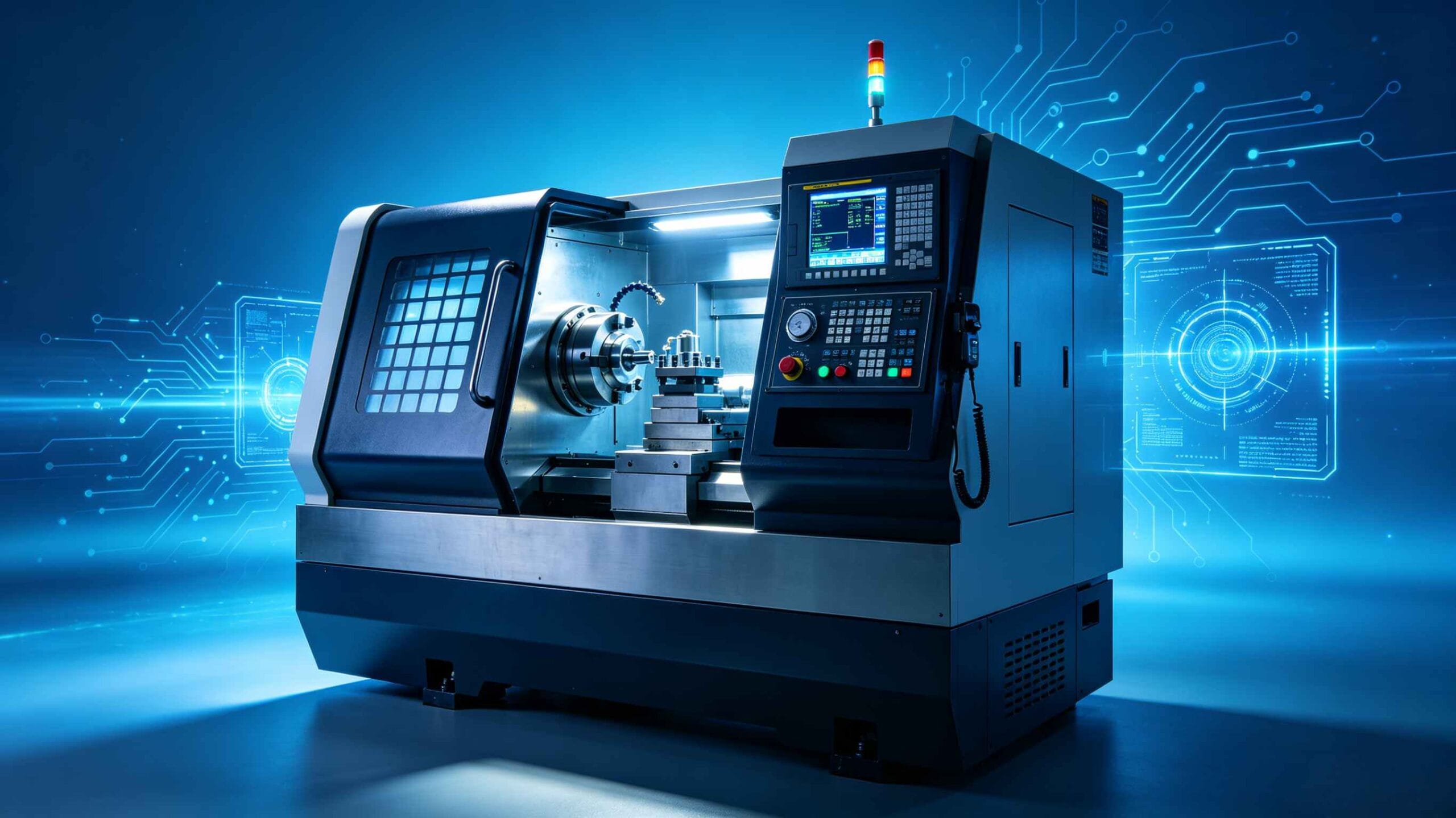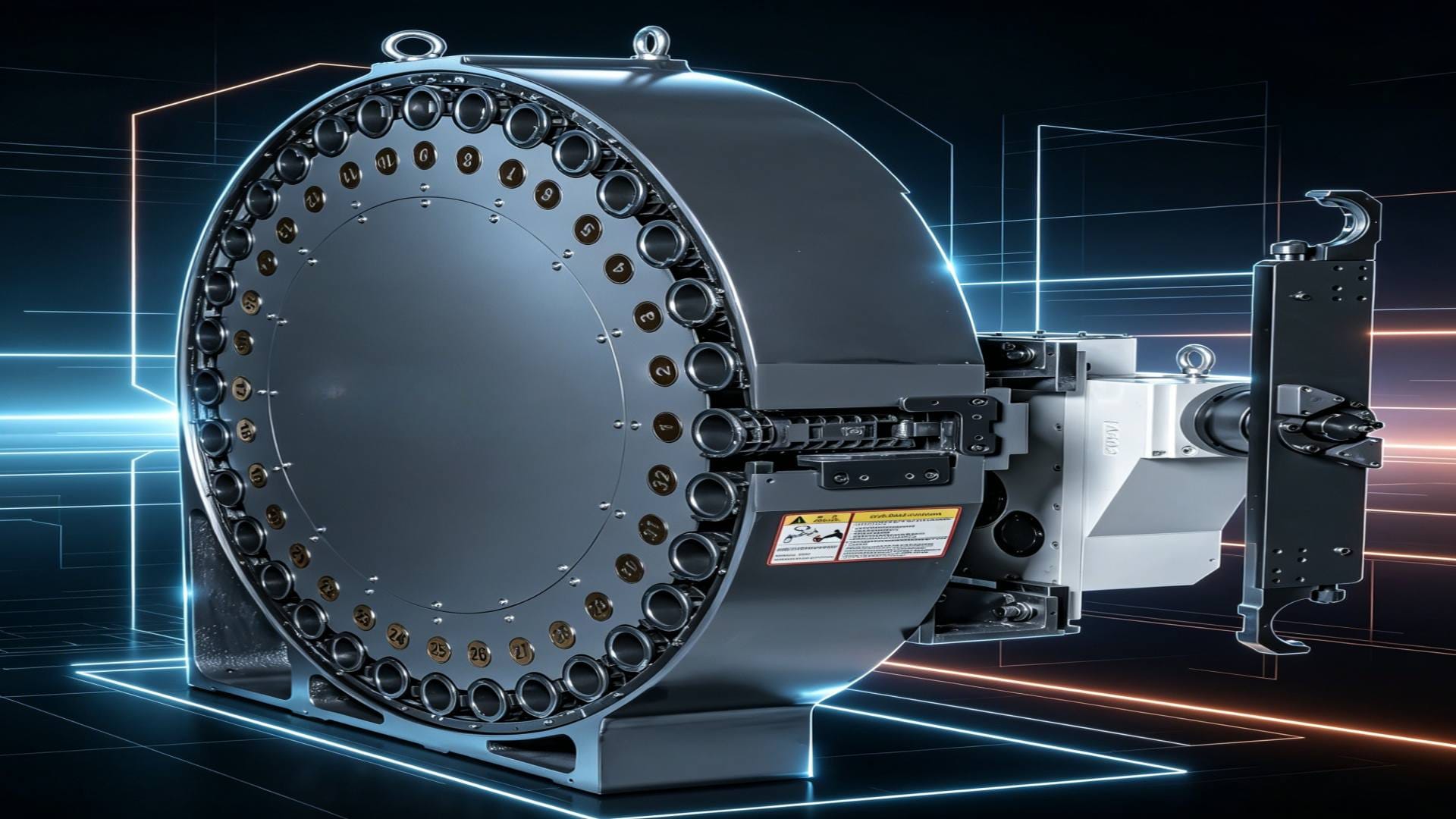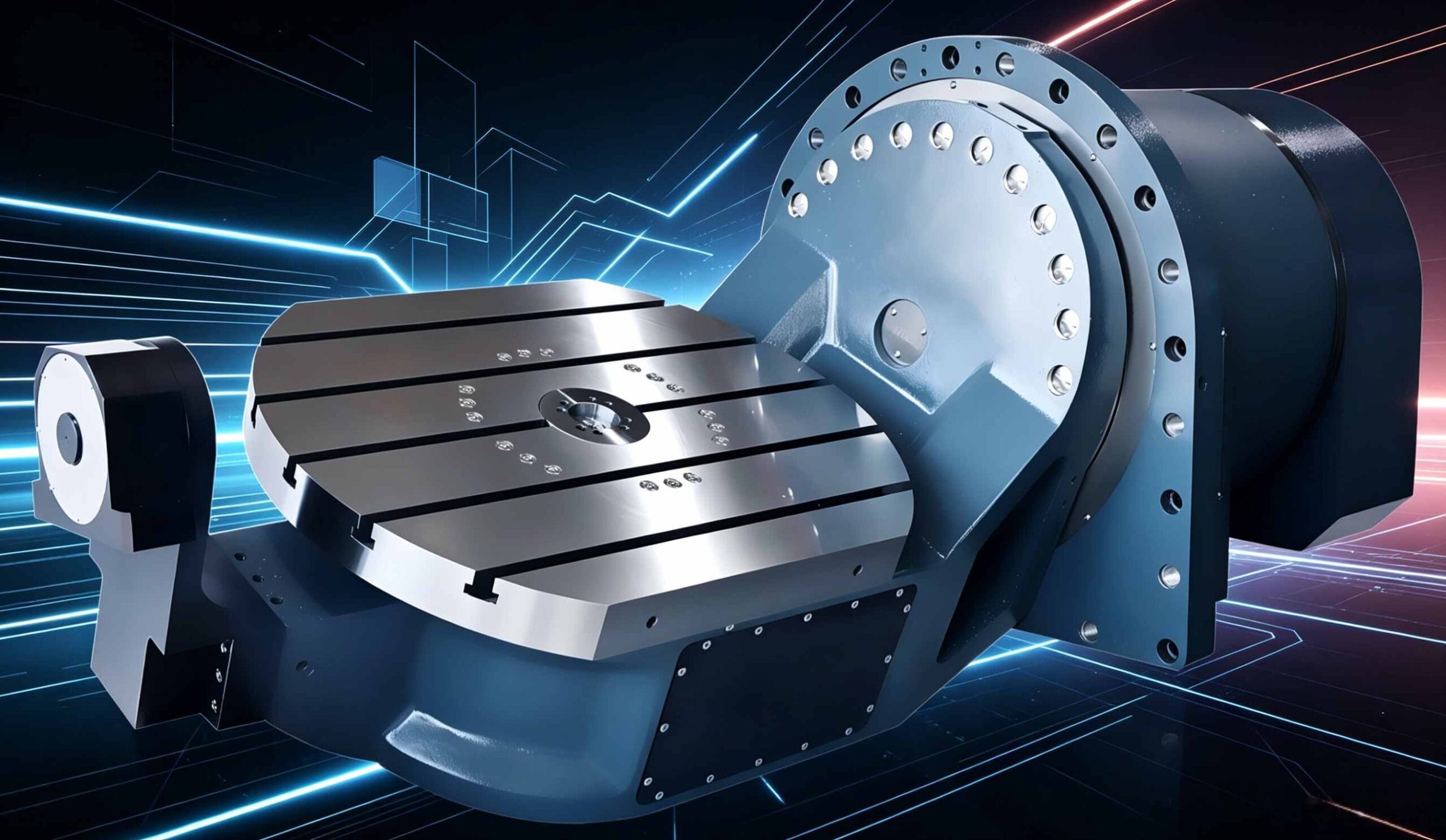
Known as the mother of industry, machine tools serve as the core cornerstone of the manufacturing industry and directly determine a country’s capacity in high-end equipment manufacturing. The processing and forming of high-precision components for aerospace, automotive, precision electronics, and mold manufacturing all rely on machine tools. Throughout industrial development, the iterative upgrading of machine tool technology has always acted as a core driving force for improving manufacturing quality, efficiency, and fostering new quality productive forces.
Early traditional machine tools were dominated by purely mechanical manual operation, featuring limited precision, low efficiency and poor consistency. Heavily dependent on workers’ experience, they could only meet basic rough machining requirements and failed to adapt to large-scale and standardized industrial production, greatly restricting the upgrading of the manufacturing industry.
The popularization of CNC machine tools brought the first key innovation to the industry. Integrating computer programming and automatic control technology with mechanical processing, CNC machine tools have completely replaced manual operation. They can precisely control core parameters such as machining trajectory, spindle speed and feed rate, effectively eliminating human errors and enabling automated and standardized mass production. This has greatly improved machining accuracy and production efficiency, laying a solid technological foundation for the large-scale development of modern manufacturing.
In the era of intelligent manufacturing, machine tool technology has entered a new stage of precision, compounding and intelligence. Evolving from standalone processing equipment to a core unit of intelligent production lines, it fully meets the stringent requirements of high-end manufacturing sectors.
Ultra-precision machining technology has become the core barrier of high-end machine tools. Current high-end machine tools generally achieve sub-micron machining accuracy, while top-tier models reach the nanometer level. They support high-precision processing of special-shaped structures, thin-walled parts and hard and brittle materials, solving critical precision machining challenges in aerospace, semiconductor and other high-end fields and breaking the accuracy bottlenecks of traditional processing.
Compound machining technology has greatly optimized production processes. Five-axis linkage and turning-milling compound machine tools integrate multiple processes into one device without repeated clamping. They cut more than half of the processing cycle, reduce positioning errors, and balance efficiency and precision, becoming the mainstream solution for processing high-end complex parts.
Intelligent empowerment enables adaptive machining of machine tools. Leveraging AI compensation, intelligent monitoring and digital twin technology, machine tools can adjust processing parameters in real time, predict equipment failures and trace production data throughout the process. This significantly reduces manual operation and maintenance costs, improves production stability and product yield, and adapts to unmanned and flexible intelligent factory production modes.
In recent years, domestic machine tool technology has achieved rapid breakthroughs. In the past, China relied heavily on imports for high-end CNC systems and core components, facing structural problems of low-end market saturation and high-end market vacancy. With continuous technological breakthroughs by domestic enterprises, the localization rate of five-axis machine tools has risen sharply, and the penetration rate of mid-range CNC systems has continued to grow. Domestic machine tools have moved beyond basic usability and advanced toward high precision and high stability.
There is still a certain gap between domestic high-end ultra-precision machine tools, core CNC software and international top-level standards, and core technological research and breakthroughs are still ongoing. Nevertheless, supported by a complete industrial chain and sustained R&D investment, domestic machine tools are accelerating technological iteration with a clear trend of independent innovation and high-end development.
Looking ahead, machine tool technology will evolve toward ultra-high precision, full-scene intelligence, green low-carbon performance and integrated functions. Driven by intelligent manufacturing and equipment upgrading, machine tools will be deeply integrated with industrial internet and big data technologies to realize unmanned flexible machining. Meanwhile, they will develop toward energy conservation and low carbon, and continuously improve the independent controllability of the whole industrial chain.
The technological evolution of machine tools epitomizes the self-reliance and upgrading of China’s manufacturing industry. Continuous investment in core technology research and industrial weakness improvement will empower the high-end manufacturing industry and promote the high-quality development of China’s industrial manufacturing sector.